In Japan, there is a huge earthquake once or twice every few years. There are also over fifty nuclear power plants. As you may know, one of these, Fukushima, was destroyed by a huge earthquake and tsunami in 2011. The Fukushima plant is still draining dangerous radioactive water into the Pacific Ocean. Personally, I object to nuclear power plants being used as the main electricity supply because they can easily get out of control.
Sunday, November 16, 2025
(Kimie's writing) Nuclear power
In Japan, there is a huge earthquake once or twice every few years. There are also over fifty nuclear power plants. As you may know, one of these, Fukushima, was destroyed by a huge earthquake and tsunami in 2011. The Fukushima plant is still draining dangerous radioactive water into the Pacific Ocean. Personally, I object to nuclear power plants being used as the main electricity supply because they can easily get out of control.
Connecting ideas
Talk about these. Are they convincing arguments?
1. All men will die. I am a man. Therefore, I will die.
2. If Samantha works hard, then she will get into college.
3. All snakes are reptiles. My pet is a reptile. Therefore, my pet is a snake.
4. If you care about your family, then you will get up early and cook breakfast.
5. This ice cream is either chocolate or vanilla. Since it’s not chocolate, it must be vanilla.
6. Ice cream is full of milk. People who are allergic to milk should not eat it.
7. All dogs are animals, and all canines are dogs. Therefore all canines are animals.
Cause and effect, reason and result\
The Tale Of Two Pebbles
Many years ago in a small Indian village, a farmer had the
misfortune of owing a large sum of money to a village moneylender. The
moneylender, who was old and ugly, fancied the farmer’s beautiful daughter. So
he proposed a bargain. He said he would forgive the farmer’s debt if he could
marry his daughter.
Both the farmer and his daughter were horrified by the
proposal. So the cunning money-lender suggested that they let providence
decide the matter. He told them that he would put a black pebble and a white
pebble into an empty money bag. Then the girl would have to pick one pebble
from the bag.
If she picked the black pebble, she would become his
wife and her father’s debt would be forgiven. If she picked the white
pebble she need not marry him and her father’s debt would still be forgiven. If
she refused to pick a pebble, her father would be thrown into jail.
They were standing on a pebble strewn path in the farmer’s
field. As they talked, the moneylender bent over to pick up two pebbles. As he
picked them up, the sharp-eyed girl noticed that he had picked up two black
pebbles and put them into the bag. He then asked the girl to pick a
pebble from the bag.
Now, imagine that you were standing in the field.
What would you have done if you were the girl? If you had to advise her,
what would you have told her?
Take a moment to ponder this. What would you recommend that
the girl do?
The girl put her hand into the moneybag and drew out a
pebble. Without looking at it, she fumbled and let it fall onto the
pebble-strewn path where it immediately became lost among all the other
pebbles.
“Oh, how clumsy of me!” she said. “But never mind, if
you look into the bag for the one that is left, you will be able to tell which
pebble I picked.”
The moneylender dared not admit his dishonesty. The girl
changed what seemed an impossible situation into an extremely advantageous one.
By Edward de Bono
Wednesday, November 12, 2025
I Need Listening Practice (B2)
Some tips for listening skills development
1. Be an active learner.
If an unfamiliar phrase or usage comes up in a listening. Actively look it up. Write it down.
2. Prepare
Before listening to something, what can you do to get some orientation?
Read the listening questions carefully - they usually tell you a lot about what you're going to hear.
3. Contextualise
Try to think about the context of the conversation you're listening to. Who is speaking to whom? Where are they? Why are they talking?
4. Slow it down
Sometimes you just need more time. Use the slower speed onYouTube videos to slow the speech down. Or just use the pause button. Stop every few sentences and think about what they're saying.
5. Recycle
Listen multiple times. It's amazing how much language there is to learn in just one listening exercise. Also, go back to something a week or two later and relisten to it. This is really satisfying and motivating in my experience because you realise you have retained a lot of information and you can manage what was a challenging listen much better.
6. Interact
Be bold. Listen and speak at the same time. Find someone who is clearly better at the language than you are and dare to have a full conversation with them. Make lots of eye contact. As you chat, keep asking them to explain words they use that you don't completely understand or find difficult to hear. Ask them to repeat things. Ask them to say something again but slower. Ask them if there's a better word or phrase you could use.
Four useful resources for self-study:
Helps you improve at hearing the individual words in each sentence.
Helps you understand things in a specific situation (family conversation, work conversation, talking to a new person etc...)
Use your musical brain to unblock your word brain.
Cambridge FCE listening exam practice
Monday, November 10, 2025
Can, could, be able to (for ability)
Communication skills = C
Practical skills = P
Thinking / learning skills = T
Decide of
the skills below are C, P or T (or a mix of them)
learning languages
map reading
spelling
taking care of people
guessing what will happen in a movie
making speeches
following instructions
managing money
remembering names
telling jokes
fixing up broken things
making decisions
solving computer problems
organizing events
explaining things clearly
understanding poetry
cooking for forty people
designing a website
riding a horse
coaching a football team
Write down which of the things above you are
I’m…
(totally) amazing at____________________________________________
(pretty) good at____________________________________________
(just) okay at____________________________________________
(quite) bad at____________________________________________
(absolutely) terrible at____________________________________________
For example: "I'm absolutely terrible at explaining
things clearly"
Discuss together
Speaking in groups
1. How many people in this class can you name?
2. How long can you hold your breath?
3. How many colours can you name?
4. How many sounds can you hear right now at this moment?
5. How languages can you say hello in?
6. Can you whistle Happy Birthday?
7. Can you remember what you dreamt last night?
8. Can you stand on one foot with your eyes closed?
9. How many times can you say
"She sells sea shells by the sea shore"
10. Can you have a conversation speaking backwards?
Saturday, November 8, 2025
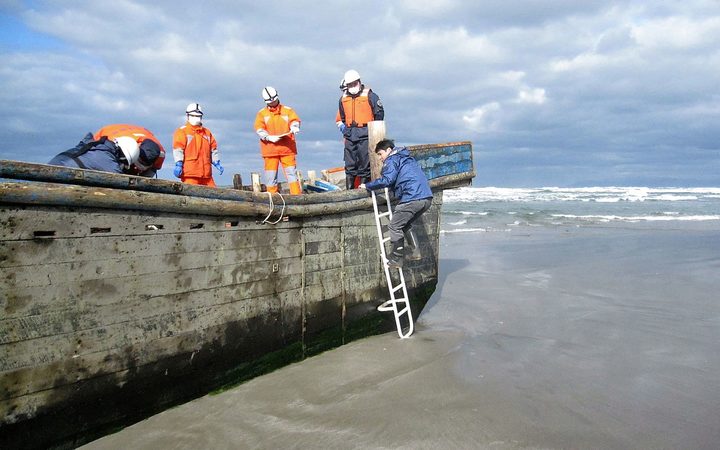
Ghost Ship

Skeletons
found
next word? (preposition)
on
'ghost ship'
Phrasal verb?
washed up
Where?
in Japan
Japanese raiuhoitets are trying to iyentifd eight people whose badly decomposed nreamis were found on a wooden boat that washed up on a beach.
What do you think happened?
Where might the boat have come from?
How might the people have died?
Sunday, November 2, 2025
Steve Jobs on management
Watch:
On leadership and recruitment
Early documentary on Apple and management
On Teamwork
Steve Jobs on managing people
1. What does Jobs mean when he says "we're organized like a Start-up"?
2. How often and for how long do the people at the top of Apple meet?
3. What is teamwork really about?
4. What is Apple good at doing as a company?
5. What does Jobs himself actually do all day?
6. What makes people stay with the company according to Jobs?
Listen for detail and discuss:
1. "____ _____ how many committees we have at Apple? Zero."
What is about committees that Jobs dislikes?
2. "There's ________________ teamwork at the top of the company which _____ down to tremendous teamwork __________ the company."
What skills are needed to work in a team?
3. "Teamwork is _________ on trusting the other folks to come ______ with their part without watching them ___ ____ ____."
4. "You have to be ___ by ideas - not hierarchy." Do you think this is true for all organisations?
State or Non-action verbs
|
Noun |
Verb |
Adjective |
Adverb |
|
|
Be Appear Exist Taste Resemble Depend Matter Weigh Mean Represent Have Own Belong Include Possess Lack Acquire Contain Know Believe Recognize Remember Forget Doubt Assume Interpret Guess Judge Prefer Admire Appreciate Regret Satisfy Fear Desire Love Trust |
|
|
|
Noun |
Verb |
Adjective |
Adverb |
|
Being Appearance Existence Taste Resemblance Dependence Material Weight Meaning Representation Ownership Belonging Inclusion Possession Lack Acquisition Containment /container Knowledge Belief Recognition Remembrance Doubt Assumption Interpretation Judgment Preference Admirability Appreciation Regret Satisfaction Fear Desire Love Trust |
Be Appear Exist Taste Resemble Depend Matter Weigh Mean Represent Have Own Belong Include Possess Lack Acquire Contain Know Believe Recognize Remember Forget Doubt Assume Interpret Guess Judge Prefer Admire Appreciate Regret Satisfy Fear Desire Love Trust |
Apparent Existing Tasty Dependent Material Meaningful Representational Owned Inclusive Possessive Lacking Acquired Contained Known/Knowledgeable Believable Recognisable Remembered Forgotten/forgetful Doubtful Assumed Interpretative Judgemental Preferential Admirable Appreciated Regretful Satisfied Fearful Desirable Loving Trusting/trustworthy |
|