
The Story of Stuff
Introduction
0.00-1.37
1. What are the 5 stages of the materials economy according to the textbooks?
2. Why is the system in crisis according to the presenter?
3. Discuss what might be "missing" from the standard model.
Group task.
1. Listen to one of the sections and take notes.
2. After listening, team up with anyone who listened to the same sections as you and share notes. Plan what can say about this section in two minutes. You can include your own reflections if you want, as long as you cover the basic points.
3. Create a group of five students and give a two minute presentation on your section of the clip. Other students may ask questions.
1. extraction
2.36-4.44
2. production
4.44-8.11
3. distribution
8.11-10.11
4. consumption
10.11-16.48
5. disposal
16.48-19.03
--
Conclusion
19.03-end
Before listening, come up with some solutions yourselves.
Listen and note the words in the blank space
labour r___
fair t____
big p_____
throw away m____
sustain_____
eq___
green ch____
zero w____
closed loop p______
renewable e_____
local living e_______
"Rivers are poisoned to manufacture talking fish."
"We are screwing the planet to make solar-powered bath thermometers and desktop crazy golfers."
"growth depends on selling the utterly useless"
"So effectively have governments, the media and advertisers associated consumption with prosperity and happiness that to say these things is to expose yourself to opprobrium and ridicule."
What kind of sentence is this (grammatically)?
- Can you turn this sentence into a question just by repositioning the first two words?
Read through
1. According to the film The Story of Stuff, how many of the materials used for manufacturing stuff, remain in use six months after sale?
2. What is planned obsolescence?
3. What is perceived obsolescence?
4. Why is that many of things we buy as Christmas gifts cannot become obsolescent?
4. Why is that many of things we buy as Christmas gifts cannot become obsolescent?
5. Why is killing rhinos for their horns not so different from buying someone a christmas present they don't really need?
6. Why do governments encourage pointless consumption?
7. According to Monbiot, why does the idea that "we must trash the planet for the sake of the economy" no longer fool people?
8. What should you give someone for Christmas, according to Monbiot?
There’s nothing they need, nothing they don’t own already, nothing they even want.
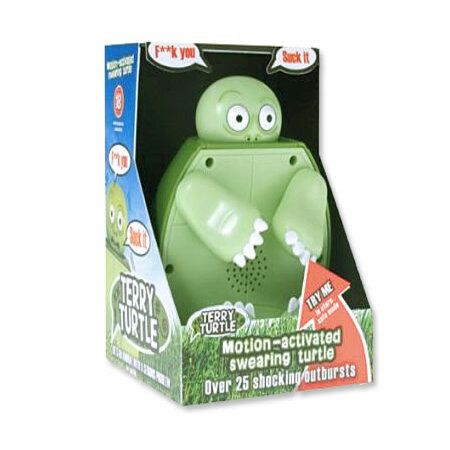
So you buy them a solar-powered waving queen; a belly button brush; a silver-plated ice cream tub holder; a “hilarious” inflatable zimmer frame; a confection of plastic and electronics called Terry the Swearing Turtle; or – and somehow I find this significant – a Scratch Off World wall map.

So you buy them a solar-powered waving queen; a belly button brush; a silver-plated ice cream tub holder; a “hilarious” inflatable zimmer frame; a confection of plastic and electronics called Terry the Swearing Turtle; or – and somehow I find this significant – a Scratch Off World wall map.
They seem amusing on the first day of Christmas, daft on the second, embarrassing on the third. By the twelfth they’re in landfill. For thirty seconds of dubious entertainment, or a hedonic stimulus that lasts no longer than a nicotine hit, we commission the use of materials whose impacts will ramify for generations.
Researching her film The Story of Stuff, Annie Leonard discovered that of the materials flowing through the consumer economy, only 1% remain in use six months after sale. Even the goods we might have expected to hold onto are soon condemned to destruction through either planned obsolescence (breaking quickly) or perceived obsolescence (becoming unfashionable).
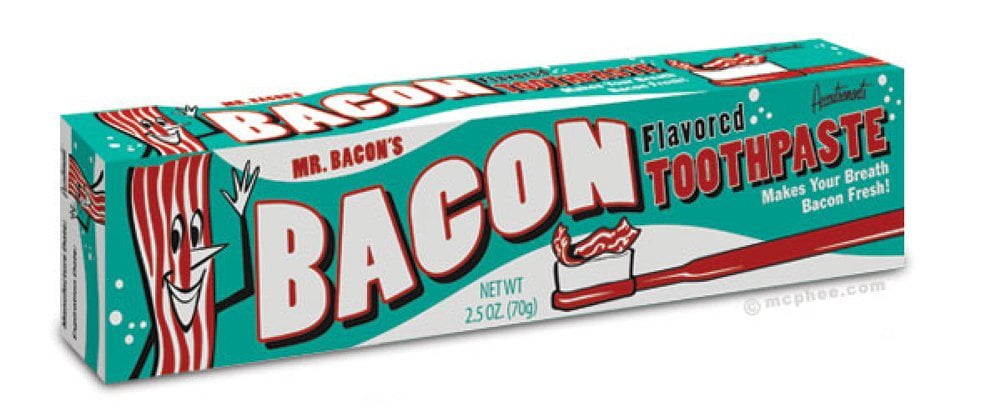
But many of the products we buy, especially for Christmas, cannot become obsolescent. The term implies a loss of utility, but they had no utility in the first place. An electronic drum-machine t-shirt; a Darth Vader talking piggy bank; an ear-shaped i-phone case; an individual beer can chiller; an electronic wine breather; a sonic screwdriver remote control; bacon toothpaste; a dancing dog: no one is expected to use them, or even look at them, after Christmas Day. They are designed to elicit thanks, perhaps a snigger or two, and then be thrown away.
The fatuity of the products is matched by the profundity of the impacts. Rare materials, complex electronics, the energy needed for manufacture and transport are extracted and refined and combined into compounds of utter pointlessness. When you take account of the fossil fuels whose use we commission in other countries, manufacturing and consumption are responsible for more than half of our carbon dioxide production. We are screwing the planet to make solar-powered bath thermometers and desktop crazy golfers.
People in eastern Congo are massacred to facilitate smart phone upgrades of ever diminishing marginal utility. Forests are felled to make “personalised heart-shaped wooden cheese board sets”. Rivers are poisoned to manufacture talking fish. This is pathological consumption: a world-consuming epidemic of collective madness, rendered so normal by advertising and the media that we scarcely notice what has happened to us.
In 2007, the journalist Adam Welz records, 13 rhinos were killed by poachers in South Africa. This year, so far, 585 have been shot. No one is entirely sure why. But one answer is that very rich people in Vietnam are now sprinkling ground rhino horn on their food or snorting it like cocaine to display their wealth. It’s grotesque, but it scarcely differs from what almost everyone in industrialised nations is doing: trashing the living world through pointless consumption.
This boom has not happened by accident. Our lives have been corralled and shaped in order to encourage it. World trade rules force countries to participate in the festival of junk. Governments cut taxes, deregulate business, manipulate interest rates to stimulate spending. But seldom do the engineers of these policies stop and ask “spending on what?”. When every conceivable want and need has been met (among those who have disposable money), growth depends on selling the utterly useless. The solemnity of the state, its might and majesty, are harnessed to the task of delivering Terry the Swearing Turtle to our doors.
Grown men and women devote their lives to manufacturing and marketing this rubbish, and dissing the idea of living without it. “I always knit my gifts”, says a woman in a television ad for an electronics outlet. “Well you shouldn’t,” replies the narrator. An advertisement for Google’s latest tablet shows a father and son camping in the woods. Their enjoyment depends on the Nexus 7’s special features. The best things in life are free, but we’ve found a way of selling them to you.
The growth of inequality that has accompanied the consumer boom ensures that the rising economic tide no longer lifts all boats. In the US in 2010 a remarkable 93% of the growth in incomes accrued to the top 1% of the population. The old excuse, that we must trash the planet to help the poor, simply does not wash. For a few decades of extra enrichment for those who already possess more money than they know how to spend, the prospects of everyone else who will live on this earth are diminished.
So effectively have governments, the media and advertisers associated consumption with prosperity and happiness that to say these things is to expose yourself to opprobrium and ridicule. Witness last week’s Moral Maze programme, in which most of the panel lined up to decry the idea of consuming less, and to associate it, somehow, with authoritarianism. When the world goes mad, those who resist are denounced as lunatics.
Bake them a cake, write them a poem, give them a kiss, tell them a joke, but for god’s sake stop trashing the planet to tell someone you care. All it shows is that you don’t.
Original text:
Discuss
1. What is George's solution to the problem of pointless consumption?
Punctuate
theres nothing they need nothing they dont own already nothing they even want so you buy them a solar powered waving queen a belly button brush a silver-plated ice cream tub holder a hilarious inflatable zimmer frame a confection of plastic and electronics called terry the swearing turtle or and somehow I find this significant a scratch off world wall map
Compare
There’s nothing they need, nothing they don’t own already, nothing they even want. So you buy them a solar-powered waving queen; a belly button brush; a silver-plated ice cream tub holder; a “hilarious” inflatable zimmer frame; a confection of plastic and electronics called Terry the Swearing Turtle; or – and somehow I find this significant – a Scratch Off World wall map.
Compare these
On the first day of
Christmas they seem amusing. On the second they seem daft. On the third they
seem embarrassing. By the twelfth they’re in landfill. We commission the use of
materials whose impacts will ramify for generations for thirty seconds of
dubious entertainment, or a hedonic stimulus that lasts no longer than a
nicotine hit.
They seem amusing on the first day of Christmas, daft on the second, embarrassing on the third. By the twelfth they’re in landfill. For thirty seconds of dubious entertainment, or a hedonic stimulus that lasts no longer than a nicotine hit, we commission the use of materials whose impacts will ramify for generations.
Have I changed any words? How does moving the clauses help the writer emphasise his points better?
Each sentence has one word or phrase in the wrong place
The journalist Adam Welz records, 13 rhinos were killed by poachers in South Africa in 2007.
This year, 585 have been shot, so far.
No one is sure entirely why.
But one answer is that now very rich people in Vietnam are sprinkling ground rhino horn on their food or snorting it like cocaine to display their wealth.
It’s grotesque, but it differs scarcely from what almost everyone in industrialised nations is doing: trashing the living world through pointless consumption.
Emphatic forms
But seldom do the engineers of these policies stop and ask “spending on what?”.
Can you re-invert this sentence?
But...
The old excuse, that we must trash the planet to help the poor, simply does not wash.
What emphatic devices are used here?
Compare
Rare materials, complex electronics, the energy needed for manufacture and transport are extracted and refined and combined into compounds of utter pointlessness.
Utterly pointless products are made from rare materials, complex electronics, and the energy needed for manufacture and transport.
How does the first sentence convey the absurdity of this situation better?
What tense aspect is used?
People in eastern Congo are massacred to facilitate smart phone upgrades of ever diminishing marginal utility. Forests are felled to make “personalised heart-shaped wooden cheese board sets”. Rivers are poisoned to manufacture talking fish.
Why?And why three times?
What emphatic devices are used here?
Bake them a cake, write them a poem, give them a kiss, tell them a joke, but for god’s sake stop trashing the planet to tell someone you care. All it shows is that you don’t.
What makes this a good choice for a concluding sentence?
Researching her film The Story of Stuff, Annie Leonard discovered that of the materials flowing through the consumer economy, only 1% remain in use six months after sale. Even the goods we might have expected to hold onto are soon condemned to destruction through either planned obsolescence (breaking quickly) or perceived obsolescence (becoming unfashionable).
What do the enlarged words do in this passage?


