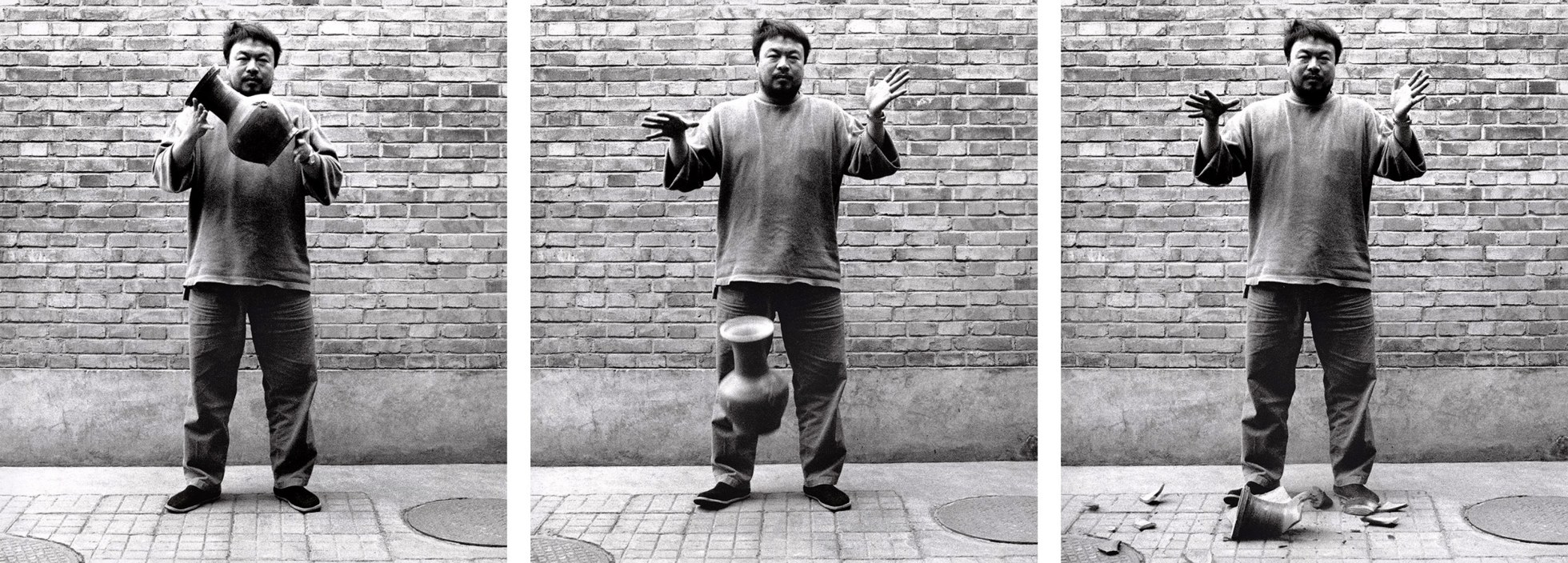
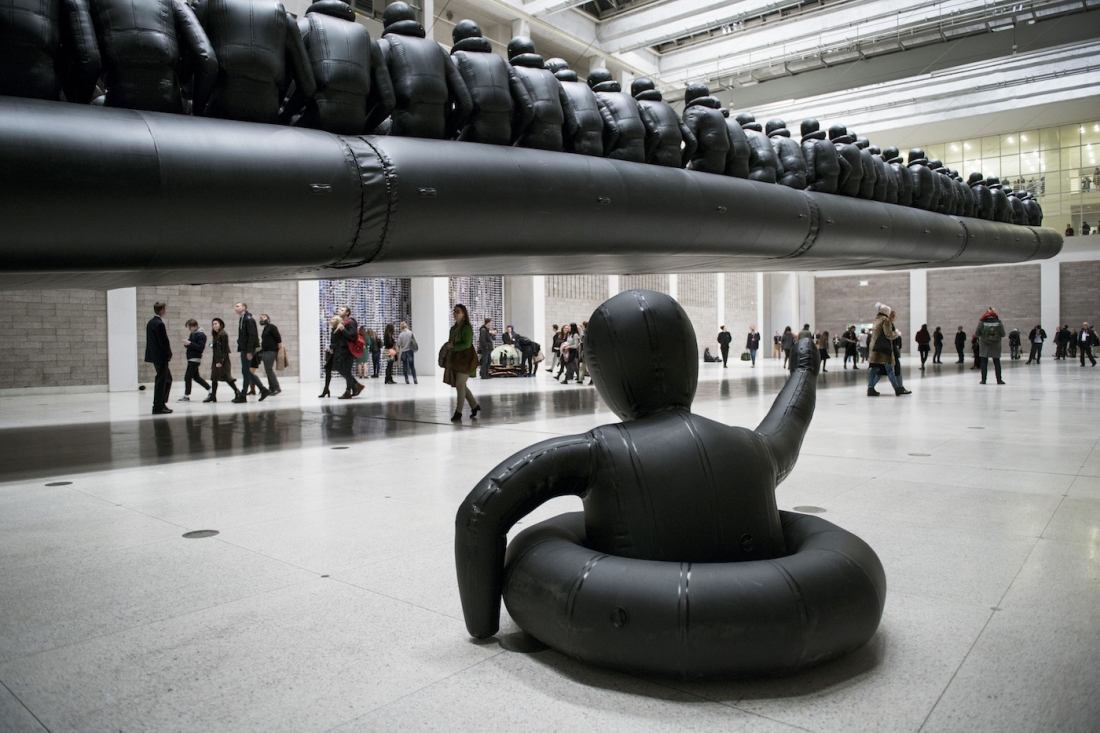
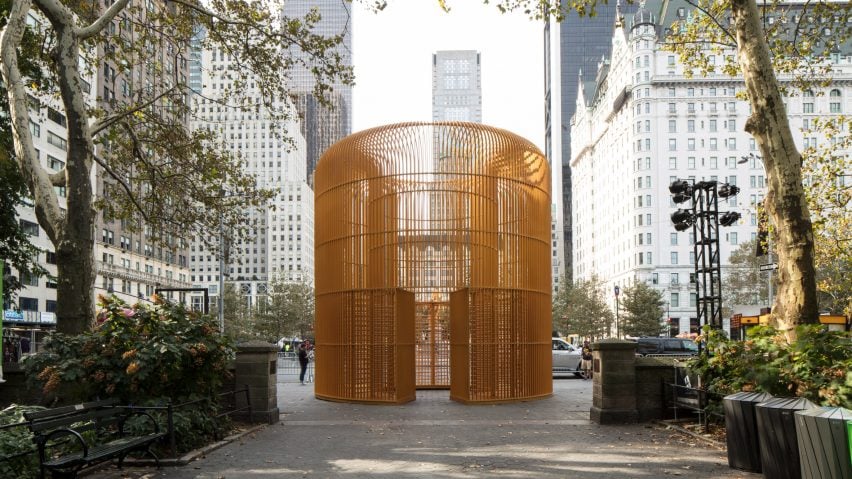
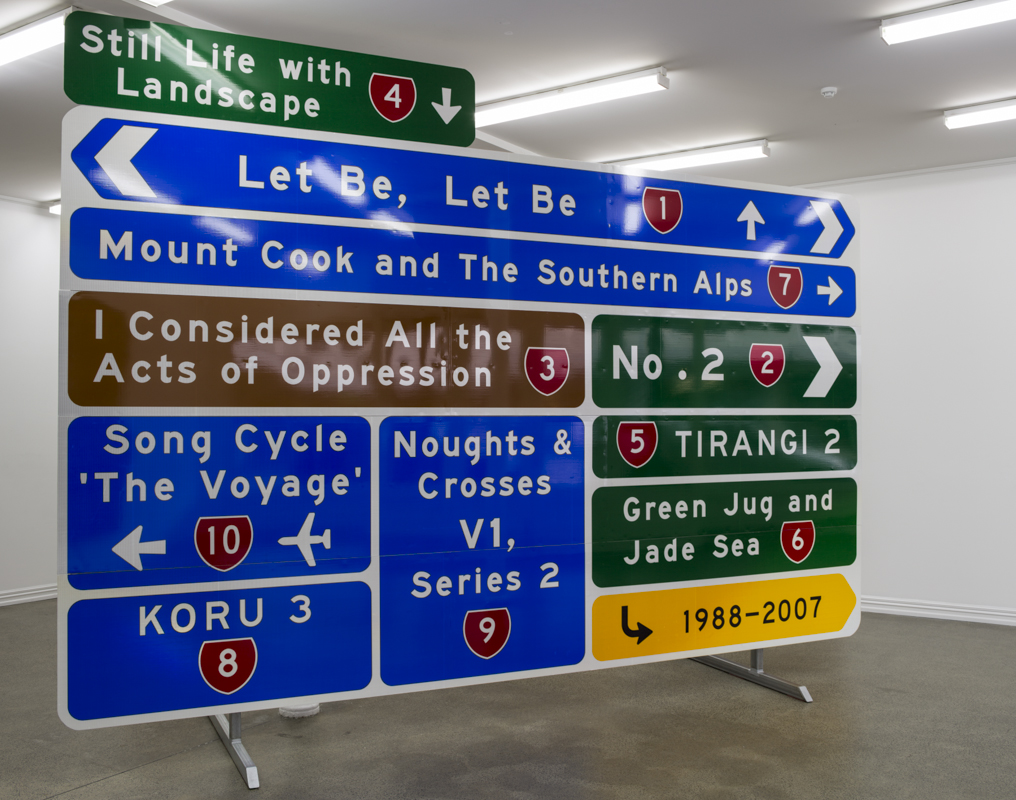
Lead in
One student turns their back to the board, the other student has to describe the picture to them in as much detail as possible.


Tangata Pasifika news story on In Pursuit of Venus
Muliple choice:
1. Artist Lisa Reihana's video installation was inspired by
a) a Polynesian history lesson
b) a piece of wallpaper from France
c) an electric shock
2. The video portrays
a) first encounters between Europeans and Polynesians
b) six years
c) the future
3. Captain Cook was in the Pacific
a) to discover new lands
b) to record the transit of Venus
c) to find a wife
4. The word "infection" speaks to
a) the international pursuit of science
b) sickness and disease
c) being changed forever by new experiences
5. The intention of the work is
a) to reclaim the power to represent the Pacific
b) to enjoy different places
c) to combine performance and art
6. The artist is proud to show the work in Auckland because
a) art lovers will come and see it
b) Maori and Pasifika people will see themselves in it
c) the work was made in Auckland
Muliple choice:
1. Artist Lisa Reihana's video installation was inspired by
a) a Polynesian history lesson
b) a piece of wallpaper from France
c) an electric shock
2. The video portrays
a) first encounters between Europeans and Polynesians
b) six years
c) the future
3. Captain Cook was in the Pacific
a) to discover new lands
b) to record the transit of Venus
c) to find a wife
4. The word "infection" speaks to
a) the international pursuit of science
b) sickness and disease
c) being changed forever by new experiences
5. The intention of the work is
a) to reclaim the power to represent the Pacific
b) to enjoy different places
c) to combine performance and art
6. The artist is proud to show the work in Auckland because
a) art lovers will come and see it
b) Maori and Pasifika people will see themselves in it
c) the work was made in Auckland


Watch:
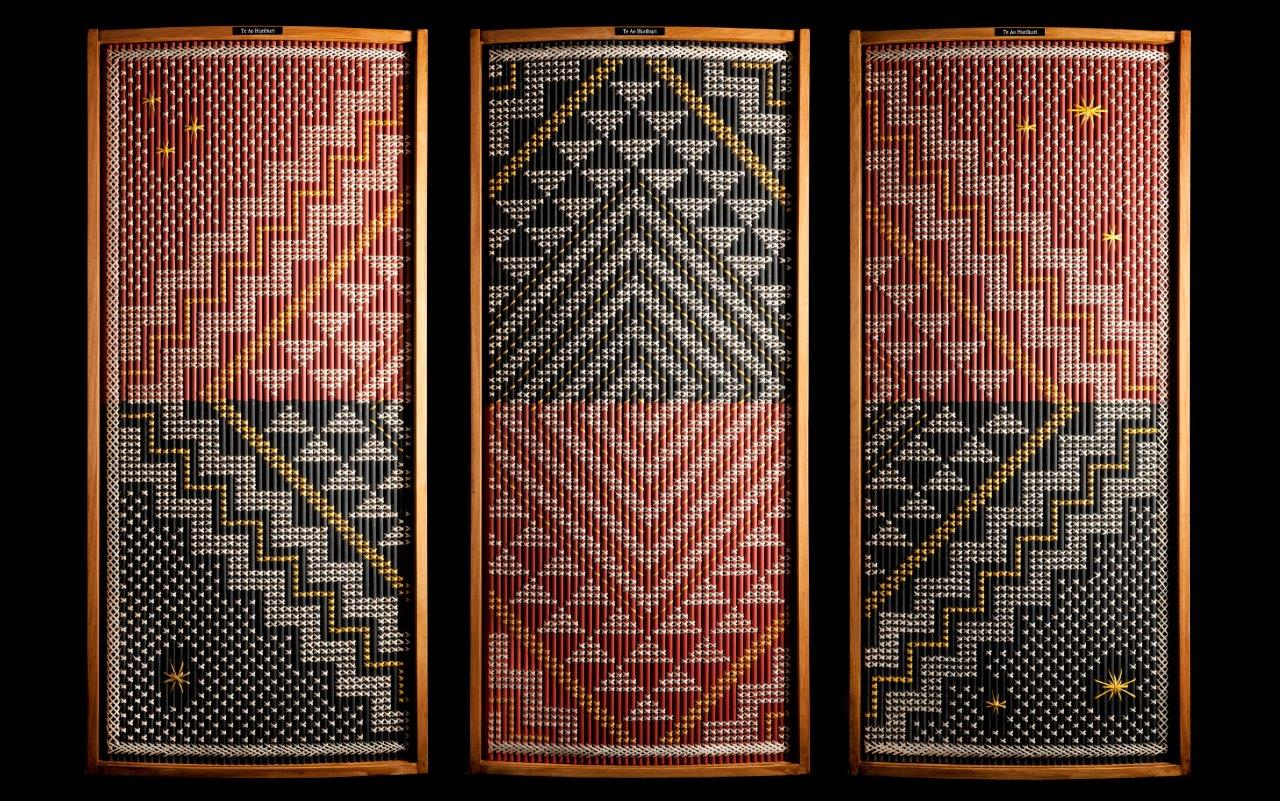
Tukutuku panels bound for New York


Matariki

Kowhaiwhai

Te Mangopare
What order are these phrases used?
a long line
to have the run of
glass ceiling
that was that
milestone
to pave the way
to follow sb's lead
stopped in one's tracks
what do they mean?
He Kuaka
In Spring the kuaka or godwit depart from their
breeding nests in the great Siberian and Alaskan tundra and return to the rich
feeding grounds provided by Aotearoa’s
tidal flats and coastal marshes. In ancient times this annual arrival of
the kuaka was looked as a great event.
For Maori the kuaka were birds of mystery. They
feature prominently in our mythology. It was believed that they came from, or
at least passed through, the ancestral home, Hawaiki.
Kua
kite te kohanga kuaka?
Who has seen the nest of the kuaka?
Ko
wai ka kite I te hua o te kuaka?
Who has ever held the egg of the kuaka?
In some tribal traditions the whakapapa of the kuaka starts with
Karihi, grandson of Tangaroa. Karihi is the kuaka’s father and Kauitara the
mother. These two are believed to be the parents of all sea birds that fly in
flocks, like kuaka, tara, and torea. In the formative period of living
creatures on this earth it is said to have been the task of the kuaka to fly to
the furthest seas to call together all sea birds to fight for a share of the
harvest of river fish claimed by land birds
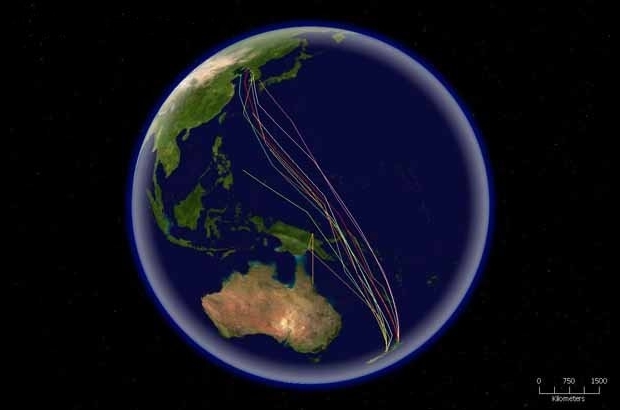
Kupe is assumed to have followed the path of the kuaka on his journey to
Aotearoa. The traditions of the Ngati Awa and Ngai Tahuhu hold that, when
living on one of the small islands in the Pacific, they noticed that the kuaka
migrated every year in a southerly direction, returning from the same point.
From this evidence the ancestors of these tribes deduced that land was to be
found in that direction and two canoes were outfitted for the voyage to what
has become known as Aotearoa.
Kuaka on the wing are known as “waka kuaka”. Their cries are loud as
they fly along. During daylight the ancestors followed the course of the flight
in their canoes by observing the direction of the flight. In the night they
would listen for the cries of the kuaka on their way to the south above the
fleet of canoes and so be guided by them
Ko
te kaupapa waka kit e moana hoe ai ko te kahui atua kit e ranga rere ai
Whilst the fleet of canoes over the ocean are
paddled, the flocks of gods are above in the heavens flying
Having completed their return journey from the
north, a flight of around 12,000km, the kuaka arrive in Aotearoa in great swarms of whanau clusters.
A saying composed by Tumatahina of Te Aupouri
goes:
Te
kuaka marangaranga, kotahi manu i tau ki te tahuna: tau atu, tau ra
The godwit flock has arisen; one bird has come
to rest on the beach: others will follow.
These clustering flocks have been described as “hau te kapakapa – the flapping wind”.
In some areas the gathering place of the kuaka
is called “tahuna a tapu” a sacred
sandbank.
As the numbers build they may be numbered in
thousands and lend themselves to metaphors. This following saying about a
thousand godwits in flight relates to a number of men working with adzes on the
creation of a canoe and the flying chips they produce.
Ka
kite a te rere maramara! Me te pukai
kuaka!
Like a godwit flock was seen a flight of chips
Another relates to the purposefulness of the
kuaka
Ka
ngau ki te turikakao te paringa o te tai, e tika te rere o te kuaka
The spinifex (seaside grass tuft) wanders along
the beach like the incoming tide, the kuaka flies direct
Whilst the kuaka is generally seen as a harbinger of good things and the
arrival of spring there are also darker metaphors.
Old lore holds that it was at Te Reigna that the
forces of Tumatauenga rose like a flock of kuaka against the other gods in
distant times. That departing place too is for the spirits of the dead as they
follow the setting sun to the world of darkness and their future life in
Hawaiki. Their soft murmurings as they take leave has been compared to the
rustling of wings and the twitterings of kuaka as they set out, hence this
proverb
Me
he kahui kuaka
Like a flock of kuaka are the people at Te
Reigna
And
Te
Reigna – rarangi mai ra te rangai kuaka/ kia tau hikohiko he pai tu waho
Flocks of godwits are gathering / moving
restlessly on the seaward cliffs
When a flock of kuaka would be continually
rising in the air and then settling down again it was regarded as an aitua or evil omen, to any war party
that observed this behaviour. Then the cry was
Ka
hoki te taua, ka hokiu te taua.
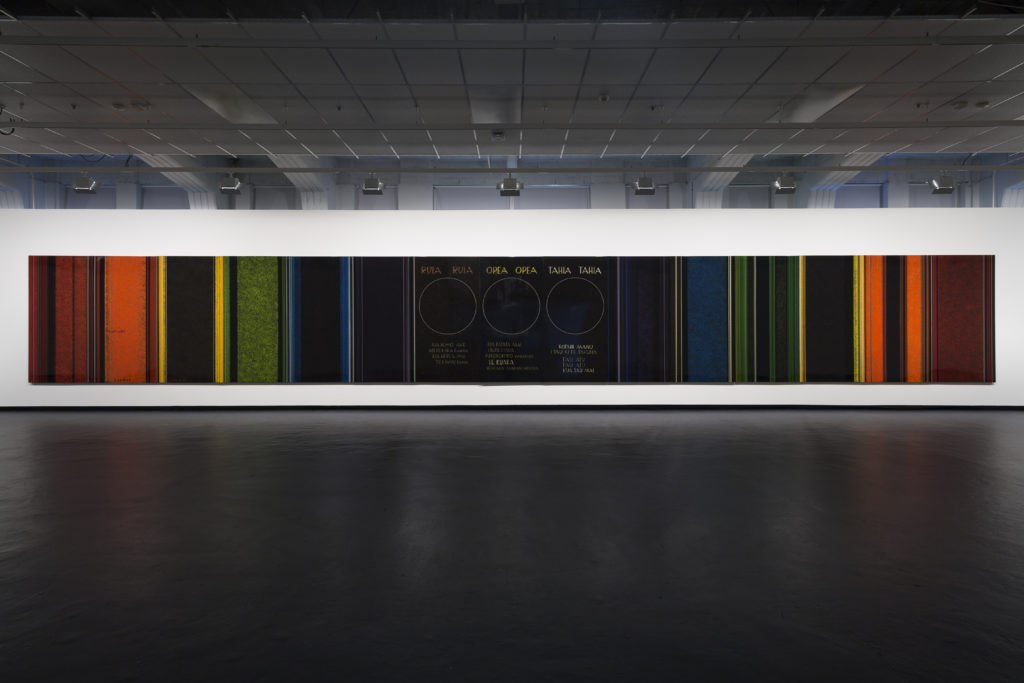 Ralph Hotere Godwit/Kuaka 1977
Ways of looking at this painting:
Notice the progression through the colour spectrum.
Notice the importance of black.
To concepts to keep in mind:
Te kore - the void. The realm of potential.
Rere - fly, run, floe, disperse, rise, leap, to catch on
Mihi - greet, welcome
Karanga - call out, summon
pōwhiri - welcoming ceremony on a marae.


Colin McCahon Northland Panels 1958
Michael Parekowhai The Bosom of Abraham 1999

Gordon Walters Koru 1966

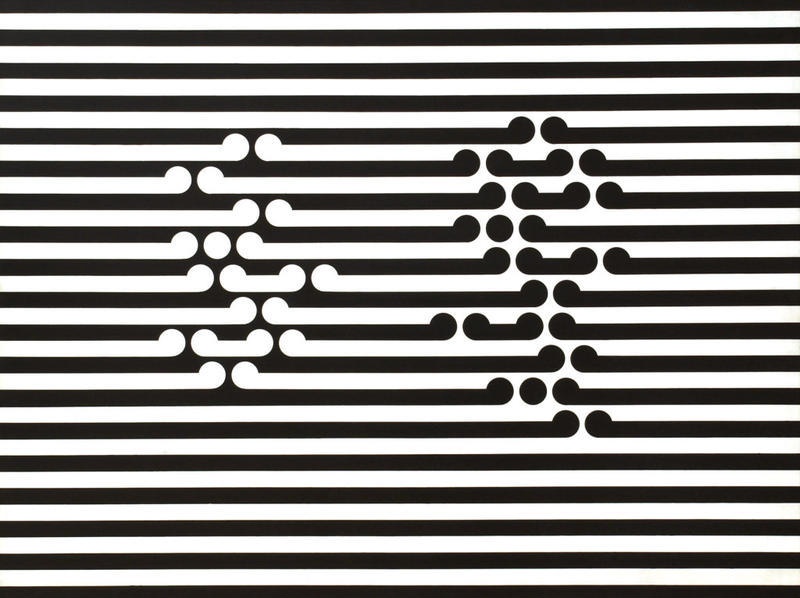
Gordon Walters Painting no. 1 1965

Michael Parekowhai Kiss the Baby Goodbye 1994
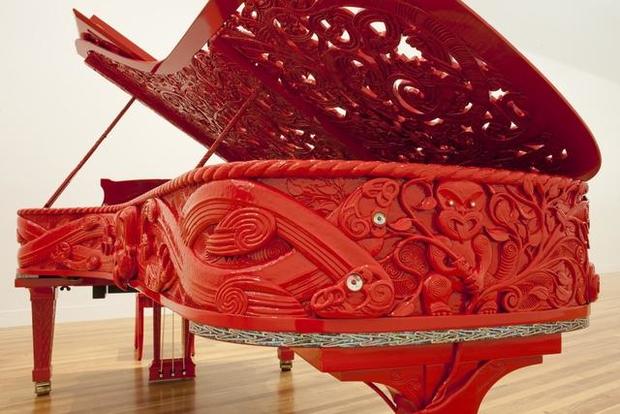
Musical tradtitons (Parekowhai)
(7:00-10:00)
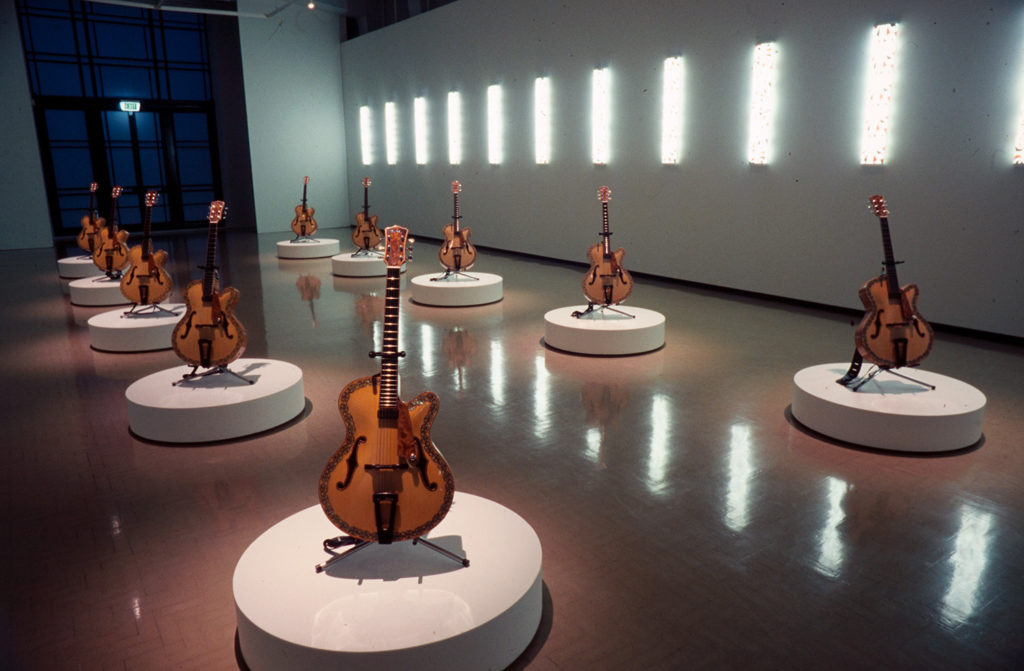
10 Guitars
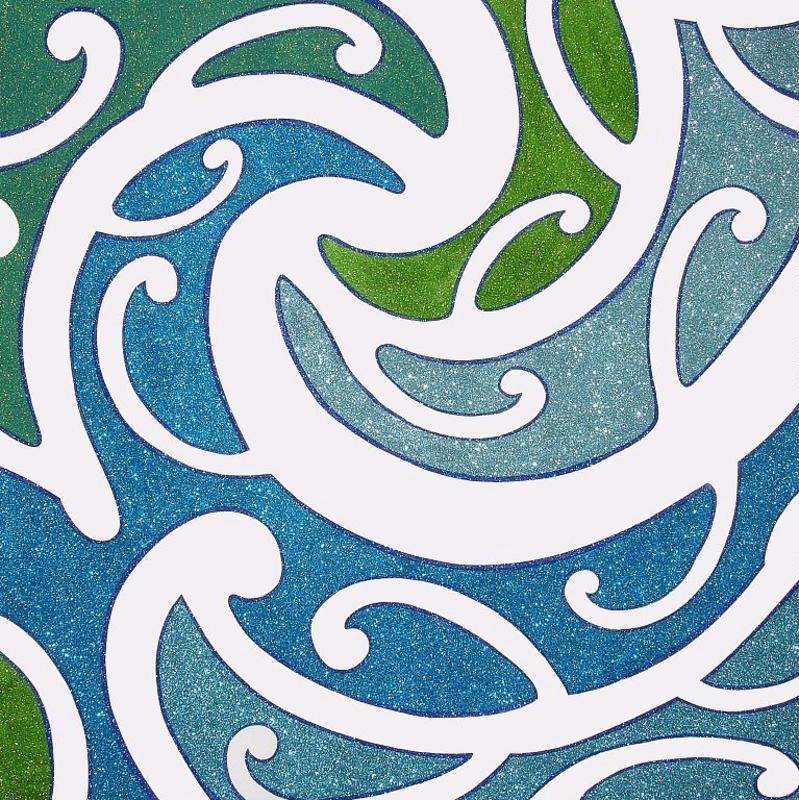
The Kaiahuwhenua and his Three Sons, Reuben Paterson, 2001
Videos
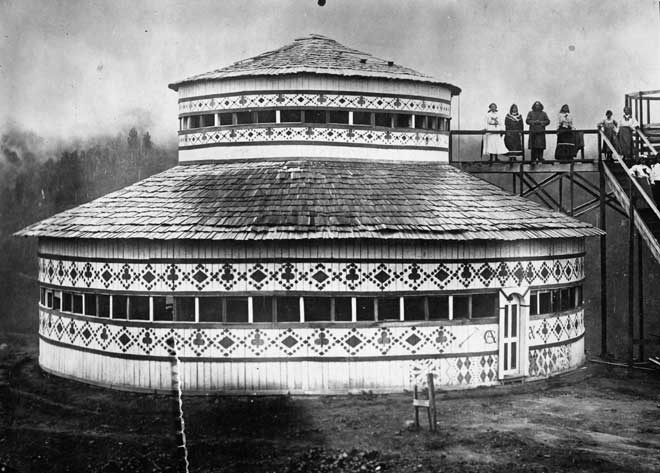
Rua Kenana's temple 1908

Contemporary Maori artist Brett Graham with his sculpture Mihaia (Messiah) 2010
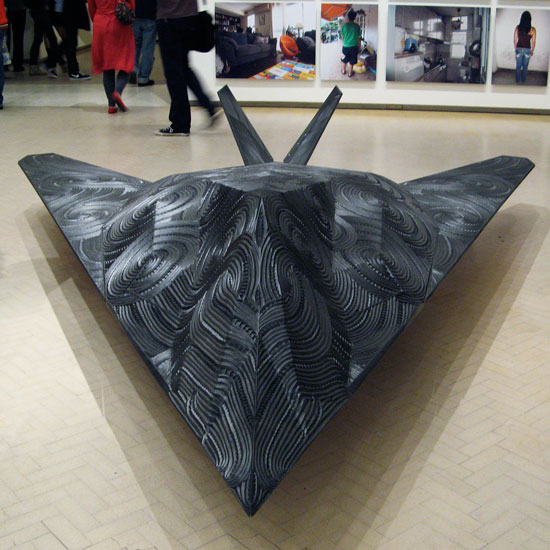
Weapons of Mass Destruction, Te Hokioi (Eagle), 2008
Uncomfortable histories

The Wharenui
2:59-end
What is the connection between the chiefly house and the modern wharenui?
What is a pataka?
What kinds of food were stored in some ancient pataka? What else was stored in them?
Why are they often elevated?
Michael Parekowhai The Bosom of Abraham 1999
Gordon Walters Koru 1966
Gordon Walters Painting no. 1 1965
Michael Parekowhai Kiss the Baby Goodbye 1994
Musical tradtitons (Parekowhai)
(7:00-10:00)
10 Guitars
The Kaiahuwhenua and his Three Sons, Reuben Paterson, 2001
Videos
Rua Kenana's temple 1908
Contemporary Maori artist Brett Graham with his sculpture Mihaia (Messiah) 2010
Weapons of Mass Destruction, Te Hokioi (Eagle), 2008
Uncomfortable histories
The Wharenui
2:59-end
What is the connection between the chiefly house and the modern wharenui?
What is a pataka?
What kinds of food were stored in some ancient pataka? What else was stored in them?
Why are they often elevated?