Monday, September 30, 2024

Wabi-Sabi


Lead in: discuss the diagram and the meaning of the words in it.
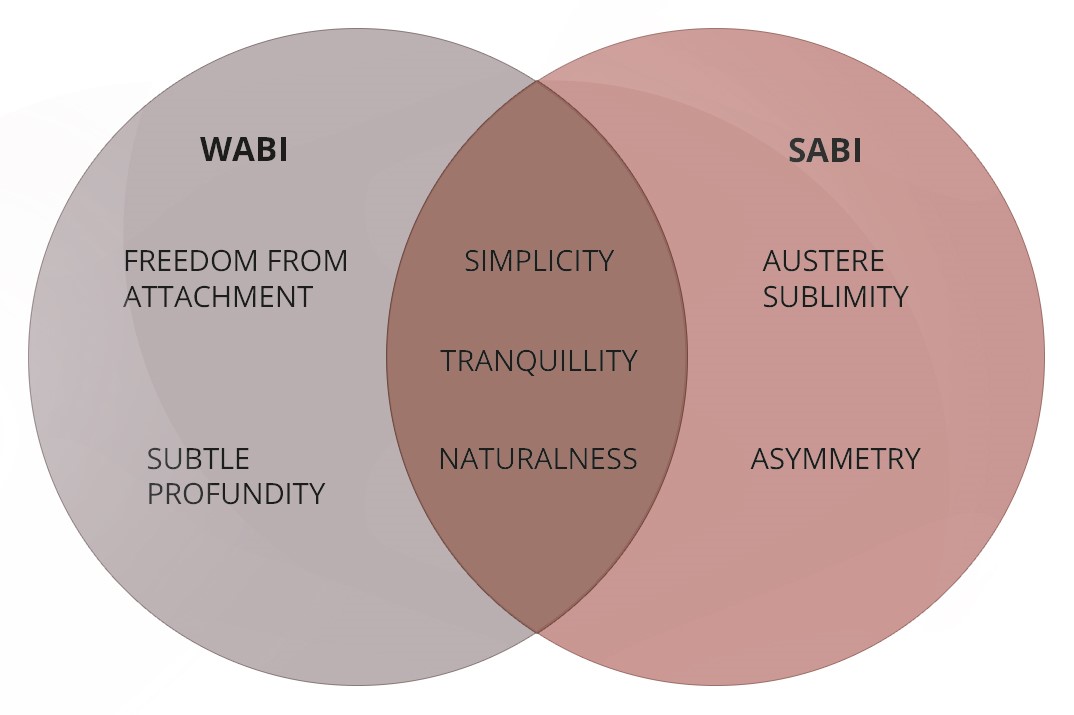


Are any of these ideas and qualities present in Hokusai's famous woodcut?
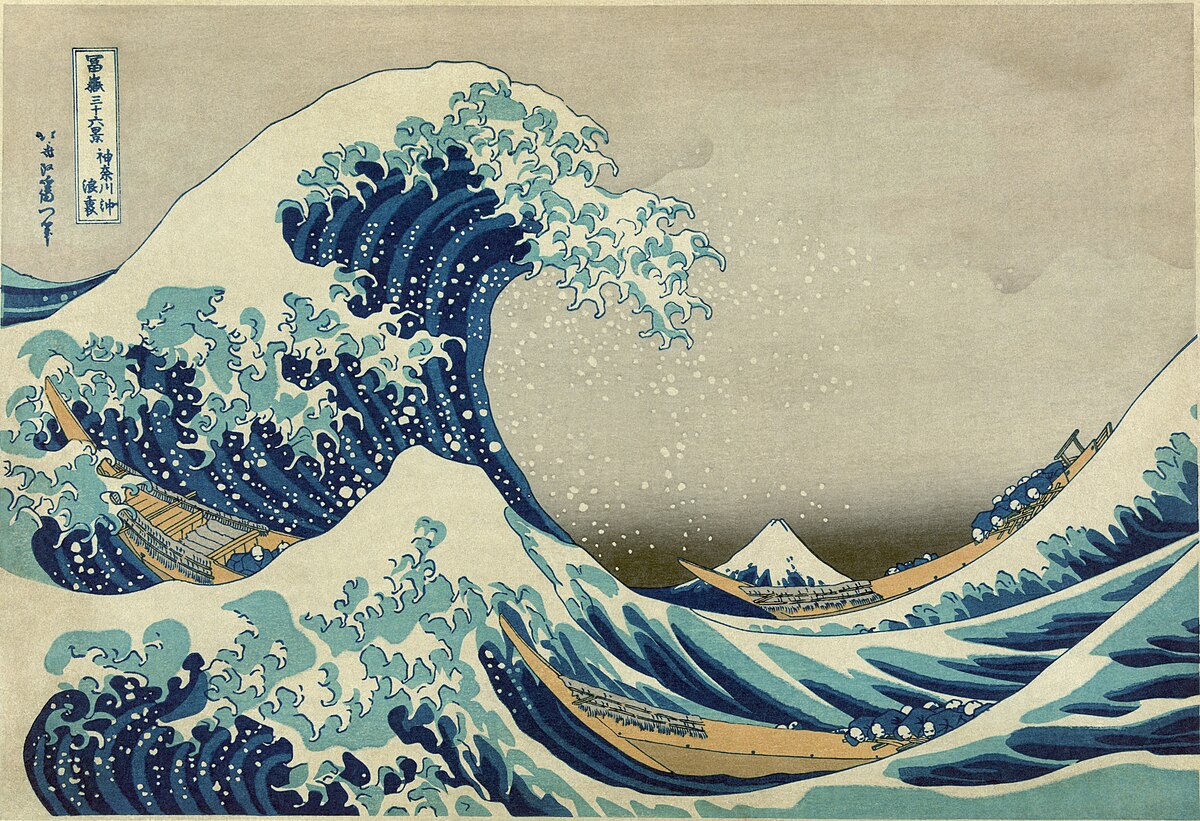

Image result for japanese art


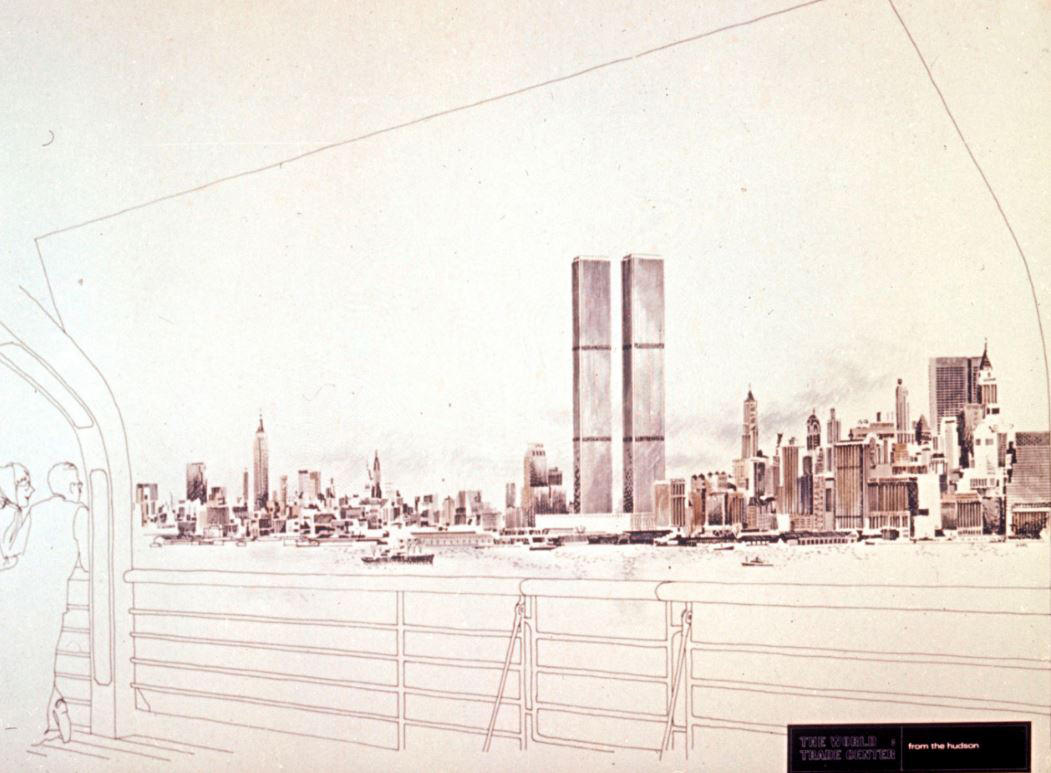
Look at these buildings and places: what values and ideals do they exemplify?
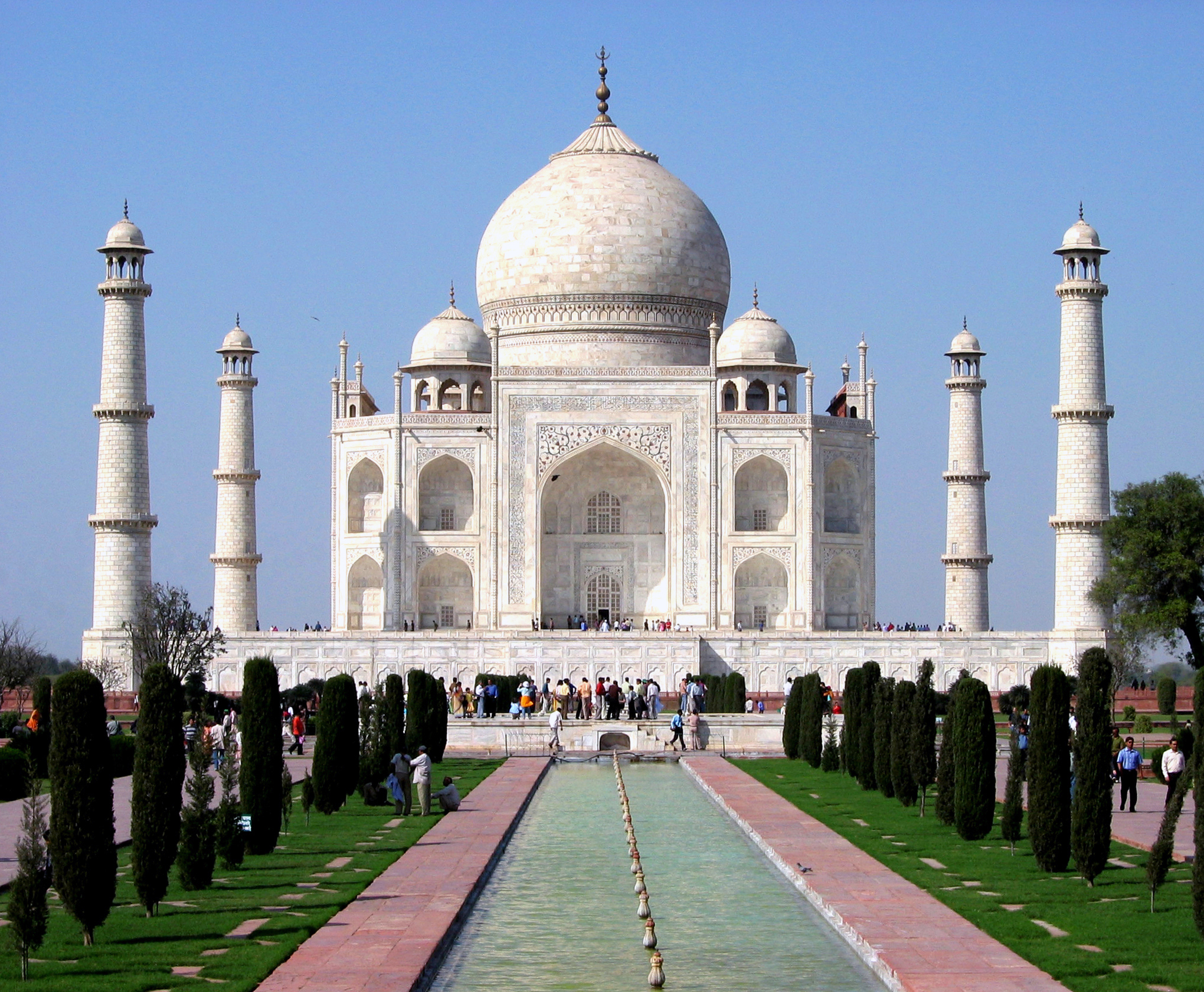

Image result for taj mahal


Image result for trade Towers Yamasaki


Image result for trade Towers Yamasaki

Sketch by Yamasaki, Minorou


Image result for rome monuments


Related image


Listening


General ideas:


24 collocations


Western aesthetics:

Obsessed with:

_____________, _______________, ________________

Shaped by:

____________, _______________, and an appetite for _______________


The term "wabi-sabi" refers to:

_____________. _____________, ______________, ______________

It respects what is

________________, _________________, _______________

Wabi-sabi is linked with:

_______________

Buddhism is about accepting our un____________ nature

1191:

________ introduced into Japan

Challenges __________ - the indigenous religion of Japan

Zen becomes the philosophical _________ of Wabi-sabi

Wabi originally meant:

______________, _____________

Meaning shifted:

____________________________


Sabi originally meant:

____________________________

Shifted to:

___________________________

Kyoto 1488:

The _______ ceremony was formalised by S________ in the Letter of the H_______

The ceremony was originally a way of keeping monks _______ during meditation

The Shoguns used as a way of ____________ fancy utensils

Shoko likened the perfection of Chinese tea cups to the _________

Japanese artisans let ________ become part of their work

The story that sums up the spirit of Wabi-sabi involves a boy cleaning a ________ all day and the ______ of leaves at then end of the day.

Story represents the uniting of _________ and _________

Sen no Rikyu was ordered to _______________ by Hideyoshi

Raku pots are actually named after a man who made simple ______

Matsuo Basho is the father of the _________

Basho's poetry tries to show the ________ through the _________ moment

45% of Japanese women own a _____________ handbag

Wabi-sabi is under threat from __________ values

Discuss:

Do you like the Wabi-sabi aesthetic or are you more attracted to the symmetrical and shiny?
Would you buy a new watch or an old one, for instance?
Is there anything wrong with the notion of symmetry and permanence?
Can you think of examples of Wabi-sabi things you like?


Review

0:00 - 2:30

Abstract nouns - listen and write these in the order they are used:

taste

misery

consolation

melancholy

transience

emptiness

impermanence

flawlessness

reverence

the eternal

individuality


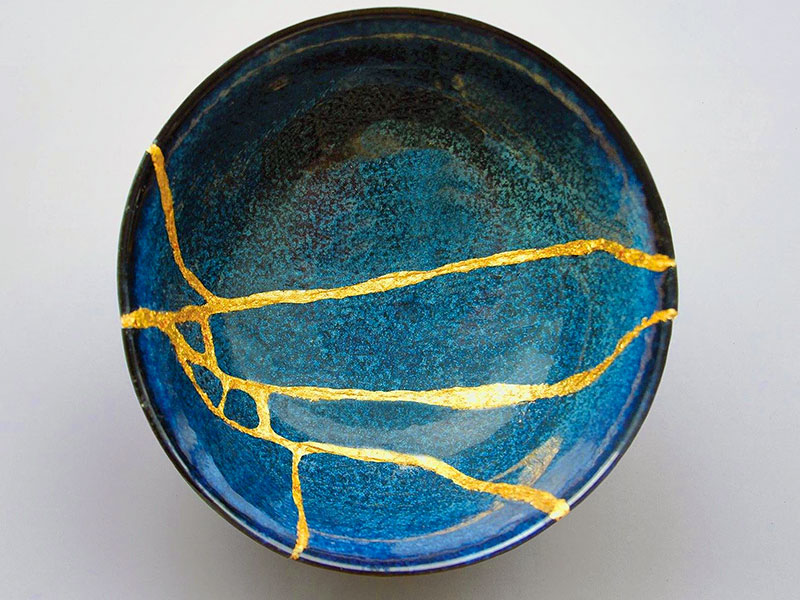
Image result for Kintsugi


Check

taste

reverence

the eternal

flawlessness

individuality

transience

emptiness

misery

consolation

melancholy

impermanence


Sunday, September 29, 2024

The Highest Place I've Ever Been


Draft:

The highest place I’ve ever been:

       The highest place I’ve ever been was the mountain of Uritorco; it’s situating (WF) in Valle De Punilla, Córdoba, Argentina. I had been (WF) with my father, (P) we both like mountain climbing, so we decided to go because people says (WF) that to (WW) this mountain is where the OVNIS (WW) reach (WW), so we felt interested (P) and also because it was a challenge for us. The (Sp) also called it “Cerro de los loros” has an altitude 1949 meters (6394 pies), being one of the highest of Córdoba. You can reach to (XW) the top in one day, so you don’t need a lot of equipment, only a lot of water and something to eat. Otherwise (WW) it’s a great experience to be in contact with the nature and also you can see the most beautiful scenery of Córdoba.

Benjamin Chino.

Corrected:


The Highest Place I’ve Ever Been


The highest place I’ve ever been was the mountain of Uritorco. It’s situated in Valle De Punilla, Córdoba, Argentina. I went there with my father. We both like mountain climbing, so we decided to go because people say that this mountain is where UFOs have been sighted, so we felt curious and also because it would be a challenge for us.


(Write another paragraph here developing the points in paragraph one - did you see any UFO's? What else happened?)


The mountain, also known as “Cerro de los Loros” has an altitude 1949 meters, being one of the highest of Córdoba. You can reach the top in one day, so you don’t need a lot of equipment, only enough water and food.


(Add something more personal to this paragraph)


Overall, it’s a great experience to get in touch with nature and also see the most beautiful scenery of Córdoba.


(Add a more personal reflection to the end of the piece)


- Benjamin Chino (B1.3)


Draft:

The highest place I’ve ever been:
       The highest place I’ve ever been was the mountain of Uritorco; it’s situating in Valle De Punilla, Córdoba, Argentina. I had been with my father, we both like mountain climbing, so we decided to go because people says that to this mountain is where the OVNIS reach, so we felt interested and also because it was a challenge for us. The also called it “Cerro de los loros” has an altitude 1949 meters (6394 pies), being one of the highest of Córdoba. You can reach to the top in one day, so you don’t need a lot of equipment, only a lot of water and something to eat. Otherwise it’s a great experience to be in contact with the nature and also you can see the most beautiful scenery of Córdoba.
Benjamin Chino.

 
Corrected:
 
The Highest Place I’ve Ever Been

The highest place I’ve ever been was the mountain of Uritorco. It’s situated in Valle De Punilla, Córdoba, Argentina. I went there with my father. We both like mountain climbing, so we decided to go because people say that this mountain is where UFOs have been sighted, so we felt curious and also because it would be a challenge for us. 

(Write another paragraph here developing the points in paragraph one - did you see any UFO's? What else happened?)

The mountain, also known as “Cerro de los Loros” has an altitude 1949 meters, being one of the highest of Córdoba. You can reach the top in one day, so you don’t need a lot of equipment, only enough water and food.

(Add something more personal to this paragraph)

Overall, it’s a great experience to get in tough with nature and also see the most beautiful scenery of Córdoba.

(Add a more personal reflection to the end of the piece)

- Benjamin Chino (B1.3)


The highest place you've ever been


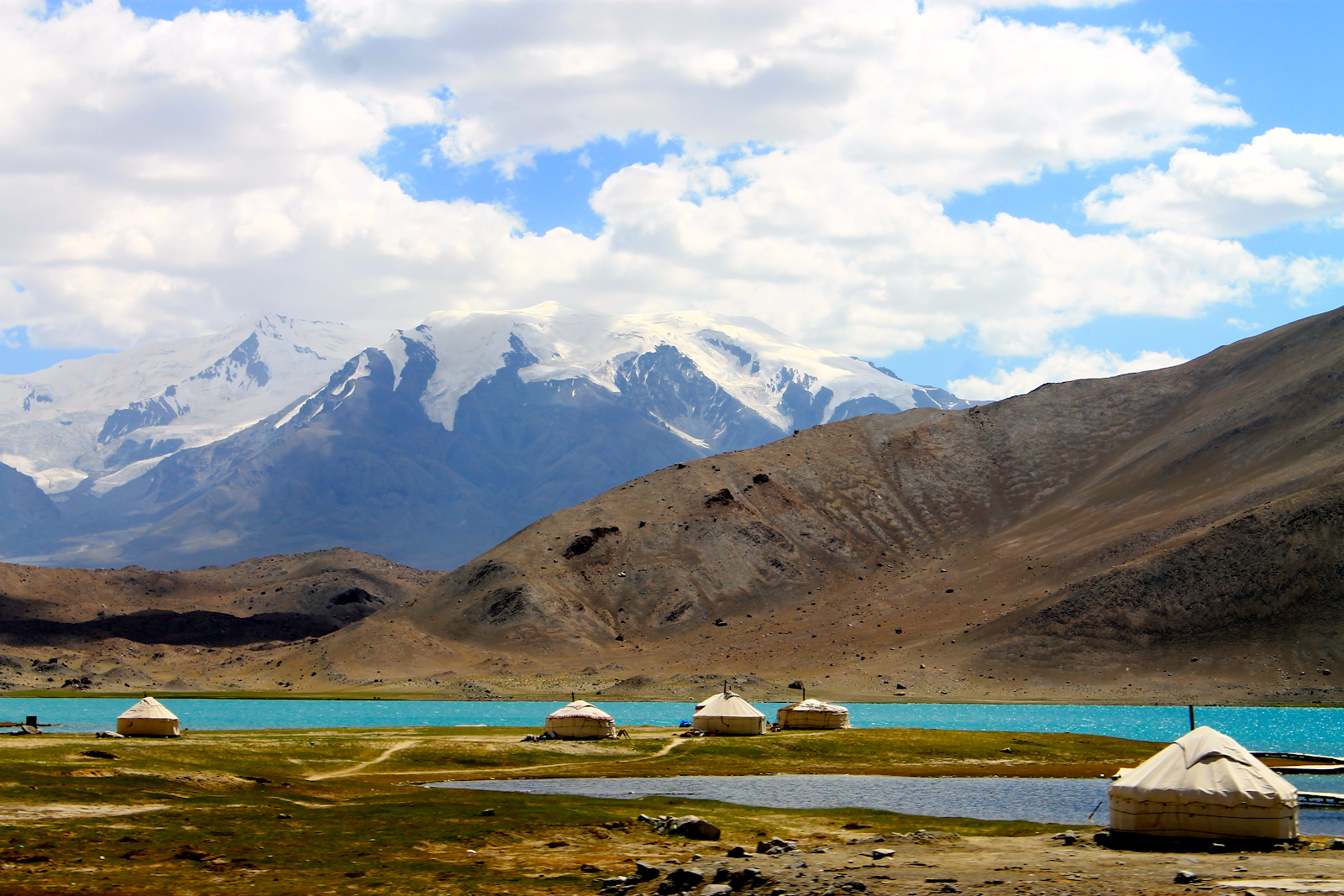
Where was it? Lake Karakul, Pamir Mountains

Why did you go there? Travelling the Old Silk Route

Who did you go with? My Scottish GF Cara

What happened when you were there? We saw yaks! Eagles! lots of beautiful clouds

What was the weather like? Perfect – still and clear

What was the view like? – stunning – amazing rich colours

How did you get back down? We took a really creaky old bus full of Pakistani men

What was the most memorable thing about the experience? The sound of the frozen lake at night


Talk about

The highest place you've ever been

Where was it?
Why did you go there?
Who did you go with?
What happened when you were there?
What was the weather like?
What was the view like?
How did you get back down?
What was the most memorable thing about the experience?


Talk about the busiest place you've been

Where was it?
Why did you go there?
Who did you go with?
What happened when you were there?
What was the weather like?
What did you see or hear or smell?
What was the most memorable thing about the experience?


Talk about the coldest place you've ever been

Where was it?
Why did you go there?
Who did you go with?
What happened when you were there?
What was the weather like?
What did you see or hear or smell?
What was the most memorable thing about the experience?


Talk about the hottest place you've ever been

Where was it?
Why did you go there?
Who did you go with?
What happened when you were there?
What was the weather like?
What did you see or hear or smell?
What was the most memorable thing about the experience?


Saturday, September 28, 2024

Polynesian navigation


Speaking lead in:


1. How big is the Pacific Ocean, compared to the Atlantic Ocean?
2. How did the islands of the Pacific (including these islands in Aotearoa) get populated?
3. How many Pacific island countries can you name?
4. Do you know what the name Aotearoa means?
Related image


Pre-listening language


Polynesian wayfinding - basic language

24 terms


Navigational aides

S
M
S
P
C
C


Each of these sentences is false. Listen and then correct them.

1. People began to explore the Pacific Ocean 1500 years ago.

2. Ancient Polynesians saw the ocean as an obstacle.

3. The people who became Polynesians originally lived in South America.

4. Voyages became more frequent after 1300 AD.

5. Ancient canoes were single hulled.

6. Ancient canoes were powered by a single oar.

7. Ocean swells in the Pacific typically flow westward.

8. Ancient navigators could tell the direction they were sailing by the rocking motion caused by the wind.

9. It was harder to see the direction of the swell at sunset and sunrise.

10. A star compass is a physical object.

11. In a mental star map the canoe is at the top.

12. The North Star is the only star in the sky that rotates.

13. The North Star is visible south of the Equator.

14. The Southern Cross points directly to the South.

15. Navigators could find clouds in the reflections of lagoons.


Listen

TED Lesson

Use vocab in a sentence

Maritime Museum


Part 1

1. How long ago did Kupe make his exploration of New Zealand?
2. What is Kupe credited with?
3. Who named New Zealand "Aotearoa" and what does it mean?
4. What brought Kupe to Aotearoa?
5. What struck Kupe about the Hokianga?


Part 2

6. What does Te Pou Ahi mean?
7. What does Hokianga-(nui)-a-Kupe mean?
8. What does Kohukohu mean?
9. What did Kupe leave at the mouth of the harbour?
10. How did he create one of the taniwha?


Kupe memorial anchor stone, and St Lukes Anglican Church, Pakanae marae, Hokianga, Northland, New Zealand 


Kupe and Kuaka


Kupe is assumed to have followed the path of the kuaka on his journey to Aotearoa. The traditions of the Ngati Awa and Ngai Tahuhu hold that, when living on one of the small islands in the Pacific, they noticed that the kuaka migrated every year in a southerly direction, returning from the same point. From this evidence the ancestors of these tribes deduced that land was to be found in that direction and two canoes were outfitted for the voyage to what has become known as Aotearoa.   


Kuaka on the wing are known as “waka kuaka”. Their cries are loud as they fly along. During daylight the ancestors followed the course of the flight in their canoes by observing the direction of the flight. In the night they would listen for the cries of the kuaka on their way to the south above the fleet of canoes and so be guided by them

Ko te kaupapa waka kit e moana hoe ai ko te kahui atua kit e ranga rere ai

Whilst the fleet of canoes over the ocean are paddled, the flocks of gods are above in the heavens flying.

1. The connection between the story of Kupe's voyages and the kuaka bird is

A) there is evidence Kupe introduced the birds into New Zealand
B) the birds followed Kupe to New Zealand
C) Kupe followed the birds to New Zealand


2. During the nights of the voyage the ancestors

A) listened for the cries of the birds to guide them
B) struggled to hear the birds over the sound of the sea and wind
C) observed the direction of their flight


Excerpt from Artefact

European versus Polynesian Navigation


20:28 - 24:20

1. In the mid 1700s, the southern skies offered a perfect ____ to map the ______ of Venus.

2. European charters looked at the stars with a western, scientific _____

3. Greenwich is where you can see the

4. Prime Meridian Line at Greenwich marks ____ degrees longitude.

5. The Prime Meridian Line gives us a ______ axis, allowing us to ____ the world.

6. Cook's form of navigation uses an ___ of God perspective.

7. In contrast, Polynesian navigation puts the navigator at its ____.

8. ____ stars rise from the same point and follow the same path.


12 Collocations


WHO IS TUPAIA?
- a Tahitian navigator who sailed aboard the Endeavour in Captain Cook's first voyage. 
- a translator in Cook's encounters with Māori.
- born around 1724-25 and died in 1770 from an illness, buried in an unknown grave on the island of Damar-Besar, Indonesia. 
- no known drawings or paintings of him.
- not only known for his navigation skills, but was known for his knowledge on genealogy and spirituality.


The Adventures of Tupaia

1. Why is the book uniques and special, according to the author?
2. According to the author, why has Tupaia's brilliance been overlooked by European scholars?
3. What is decolonisation about for the author?


further reading


Tupaia's map


In the Wake of Cook


Lead in

What is a "wake?"


Part 1.

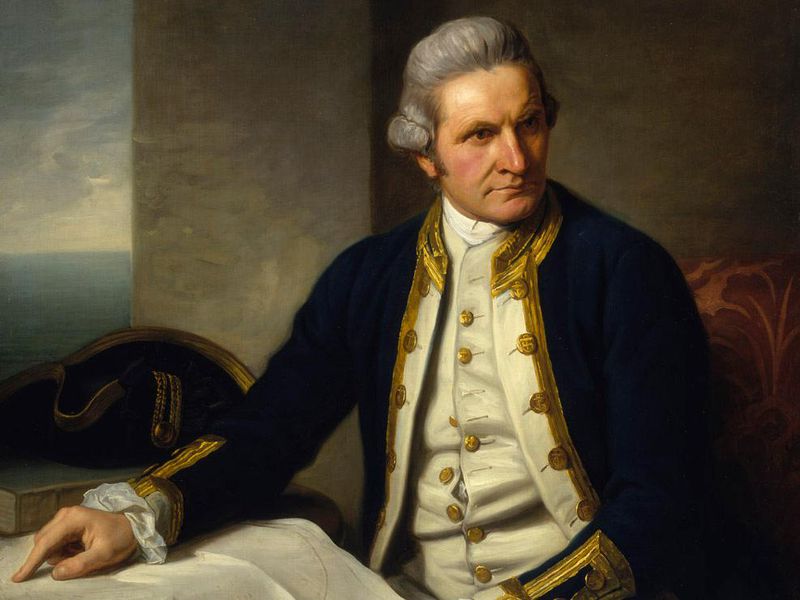
1. When I was a boy there was a huge old ____ on the wall of the classroom.

2. It was the old British Empire, which was _______ "a very good thing".

3. Cook sat for the portrait ________ voyages. "He certainly _____ the part".

4. Adjectives to describe Cook in the portrait:

r_____________, r_____________: a visionary.

5. For those already in the Pacific Cook's adventure might be seen more as a ___________.

6. One that might bring ___________, _____________, and ______________.


Part 2.

1. Year of Cook's arrival in Pacific: 17___

2. Name of Cook's ship: The E___________

3. Tahiti conquered and claimed by the British in 17___

4. Wallace extinguished any resistance by the ______ use of ________

5. Cook's sailors remembered the accounts of the "______ _______s" to be found in the South Seas.

6. Now they were desperate to get _____

7. Rules. Number one: Do not ever _____  _____   _____

8. "Well, that was never going to ____"

9. After eight months of tedium and _________ at sea...


Cook's death


1. Where did Cook die?

2. Why did he have to turn back?

3. How did Cook think perhaps of himself?

4.  How exactly was he killed?

5. How does the man explain the tensions between his ancestors and Cook's crew?

6. What can we infer from what he says?


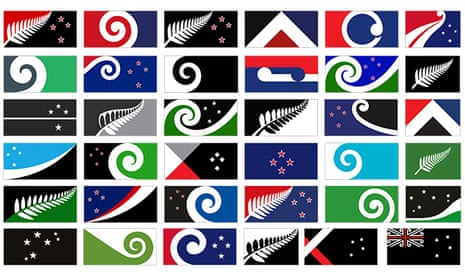
The flag contest


Can you draw the flag of your country?

Does it have a special meaning? Explain the colours, symbols, words, shapes...


\


Some of the flags proposed to replace the current New Zealand flag by designers that made the longlist of 40.


distinguishing feature

in the background

in the foreground

different from

basically the same

a shortlist

 a bit of a joke

taking something seriously

really similar to

capture the public imagination


Pre-listening


Discuss what Jon Oliver means by the following jokes:


New Zealand: Australia's Australia


New Zealand's flag is different from Australia's in the same way that "Ice Ice Baby" is different from "Under Pressure"


You're going about this with the enthusiasm of a distant uncle buying a present for a two-year-old nephew.


(a kiwi bird) looks like a dumb fat mouse who got his face stuck on a straw.


Flag Debate


Listen


1. Why is New Zealand having a flag referendum?

2. Which countries have similar flags?

3. How many entries did the NZ Government receive?

4. How did the New Zealand public feel about the referendum?

5. How does Jon feel about the top 40 entries?

6. How does Jon feel about the designs that didn't make the shortlist?

7. What is the title of Jon's favourite flag idea?


Principles of flag design


After watching


1. Draw the flag of the city of Chicago


2. What are the five principles of good flag design?

1. Keep

2. Use

3. Use

4. No

5. Be


3. What is a coat of arms?

4. Draw the flag of Amsterdam


5. Are you proud of your city?


6. Draw the flag of Hong Kong


7. In pairs, draw some ideas for a flag for our school.