
Every year, around June, Matariki re-appears in the dawn sky – signalling the start of the Māori New Year. It is a time to celebrate new life, to remember those who've passed and to plan for the future.

Watch:
Tukutuku panels bound for New York
0800 Matariki
How many stars of the nine are associated with each aspect of the world?
Water
Forests
Horticulture
Weather and Wind
Guidance to the other world
Hopes and wishes
The watch star
Matariki explained
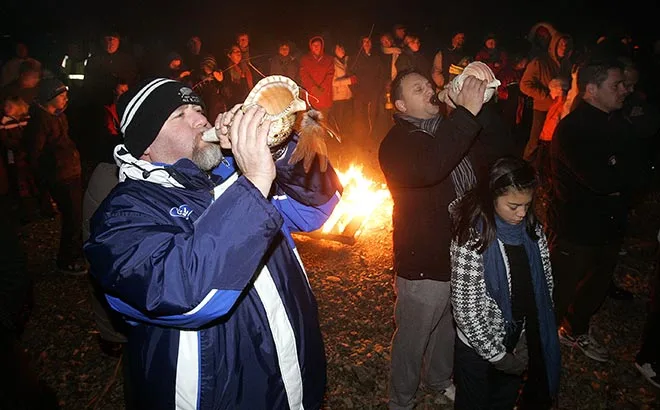
%201.jpg)

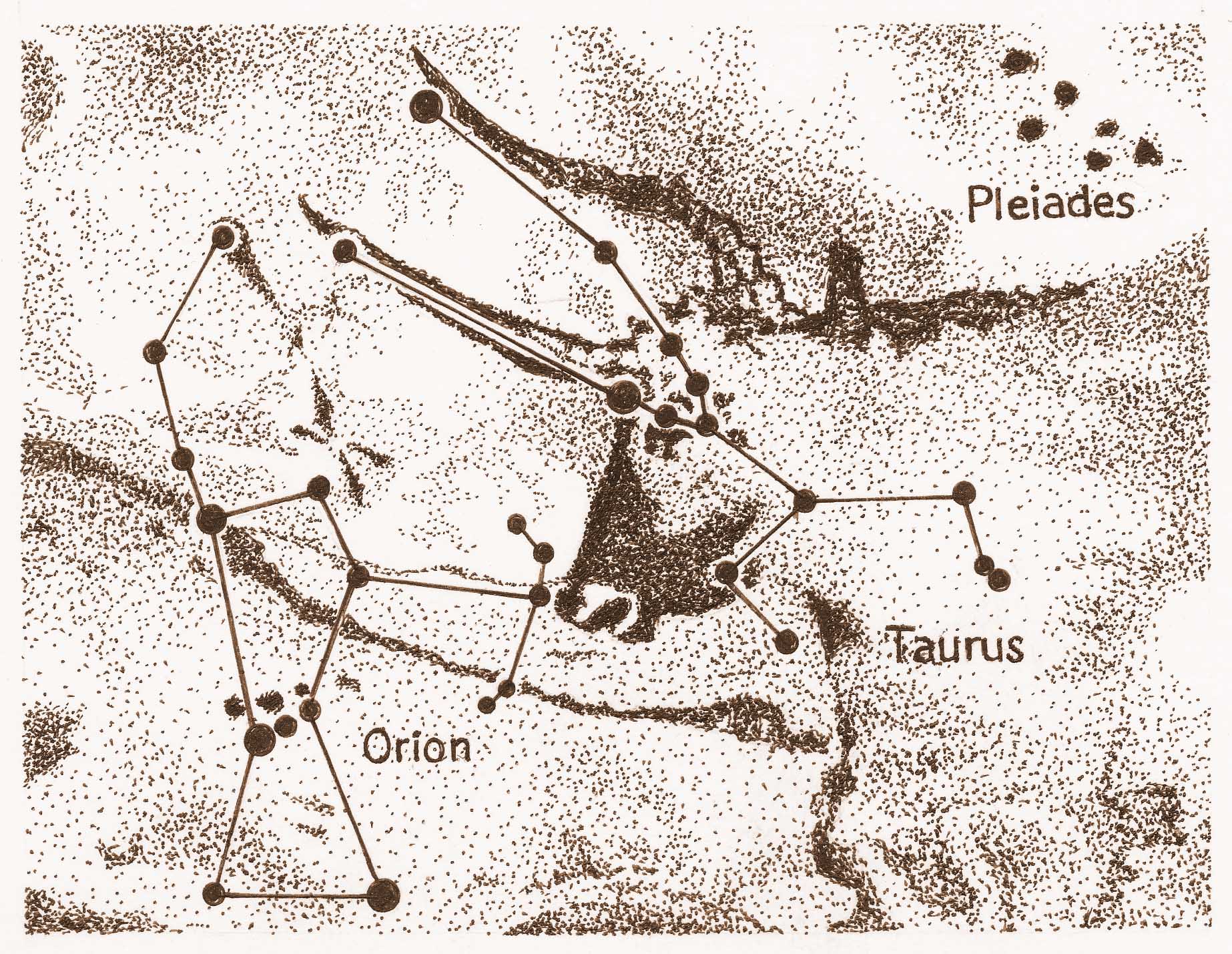

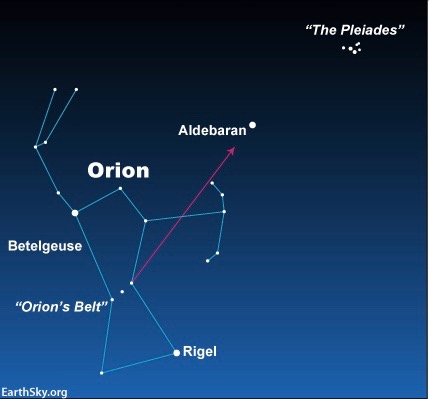
Northern sky

Southern sky
Southern sky
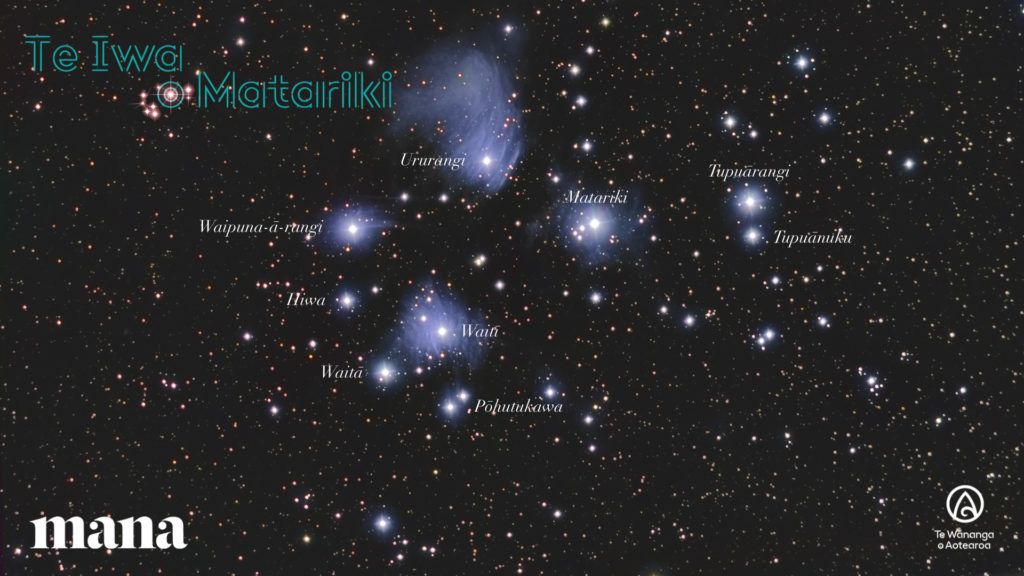
The nine stars of Matariki
Describe a festival in your country that you enjoy.
You should say:
- What
the festival is called
- When
and where it is celebrated
- What
people do during the festival
- And
explain why you enjoy it
Māori
Constellation
Pleiades
Remembrance
Reflection
Harvest
Celebration
Cultural significance
Tradition
Whānau (family)
Community gatherings
Storytelling
Renewal
Astronomy
Ceremonies
Ancestral connections
Seasonal cycle
Indigenous
Commemoration
Spirituality
1.
For me,
2.
One of the most meaningful festivals in my
country
3.
For many people,
4.
I really enjoy Matariki because
5.
Another important part of Matariki is
6.
It’s also a time
7.
During Matariki,
________, New Zealand, is Matariki, which is the
Māori New Year. It’s based on the rising of a constellation called
Matariki, also known as the Pleiades, and it usually appears in the
winter sky around June or July. ___________it’s a time of remembrance, reflection,
and renewal, and it carries deep cultural significance for Māori
and for the wider population.
_________communities and whānau come together for community
gatherings and ceremonies. People often share traditional storytelling
about their ancestral connections, and many events focus on the seasonal
cycle and astronomy, because the stars were traditionally used to
guide harvesting and planting. _________to honour those who have passed away,
which adds a sense of commemoration and spirituality to the
celebrations.
________ celebrating the harvest and enjoying food
with family. Many schools, workplaces, and local groups organise cultural
activities that highlight indigenous traditions, and these events help
strengthen the idea of community and tradition.
________ it brings people together in a calm and meaningful
way. Unlike some festivals that focus heavily on noise and excitement, Matariki
encourages us to slow down, think about where we’ve come from, and look forward
to new beginnings. _______ it’s a beautiful reminder of our connection to
nature, to our ancestors, and to each other.
One of the most meaningful festivals in my country, New
Zealand, is Matariki, which is the Māori New Year. It’s based on the
rising of a constellation called Matariki, also known as the Pleiades,
and it usually appears in the winter sky around June or July. For many people,
it’s a time of remembrance, reflection, and renewal, and
it carries deep cultural significance for Māori and for the wider
population.
During Matariki, communities and whānau come together
for community gatherings and ceremonies. People often share
traditional storytelling about their ancestral connections, and
many events focus on the seasonal cycle and astronomy, because
the stars were traditionally used to guide harvesting and planting. It’s also a
time to honour those who have passed away, which adds a sense of commemoration
and spirituality to the celebrations.
Another important part of Matariki is celebrating the harvest
and enjoying food with family. Many schools, workplaces, and local groups
organise cultural activities that highlight indigenous traditions, and
these events help strengthen the idea of community and tradition.
I really enjoy Matariki because it brings people together in
a calm and meaningful way. Unlike some festivals that focus heavily on noise
and excitement, Matariki encourages us to slow down, think about where we’ve
come from, and look forward to new beginnings. For me, it’s a beautiful
reminder of our connection to nature, to our ancestors, and to each other.
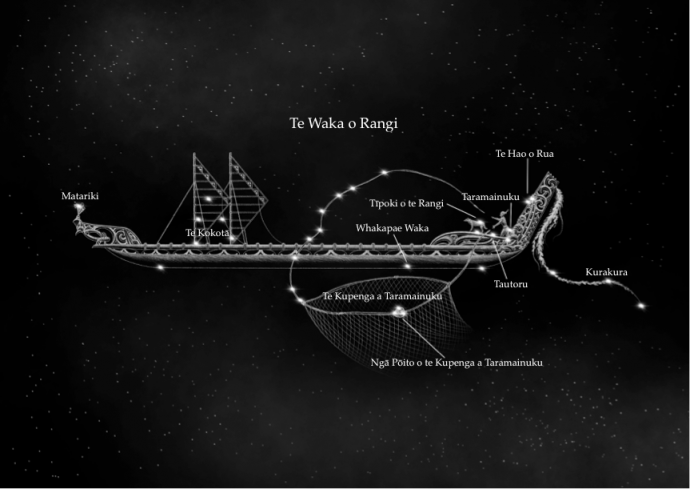
Te Waka o Rangi
According to Dr Matamua, the correct (auspicious) phase to celebrate Matariki is during the final waning phase of the moon in the Maori lunar month of Pipiri, the first month of the Maori lunar year.
Dr Rangi Matamua on Matariki
(Doctor Rangi Matamua (Tuhoe), is a senior lecturer based in the School of Māori and Pacific Development at Waikato University.)
Listen:
On "The Seven Sisters" and "Little Eyes"
13:56 -18:48
What did Pleiades mean in ancient Greek?
Te Iwa o Matariki
1.
18:48 - 23:35
2.
23:35 25:15
1. Why is Tupuaarangi above Tupuaanuku?
2. Why is Waitii above Waitaa?
3. What are Waipunarani and Ururangi above everything else?
4. What is special about Pohutukawa and Riwaterangi?
When to look for Matariki:
25:15 - 30:28
